Community organisations are often best placed to understand the needs of their neighbourhoods, yet many struggle to access traditional grant funding. Complex application processes, limited organisational capacity, and restrictive eligibility criteria can create barriers for smaller, grassroots groups that are already delivering trusted support within their communities.
The Haringey Community Collaborative’s Challenge Fund model was developed to address these challenges.
Rather than imposing solutions from above, the model seeks to empower communities to identify local priorities and shape the activities that receive funding. Alongside financial support, funded organisations receive ongoing development support, helping strengthen their capacity, build partnerships and sustain their work beyond the life of a grant.
This approach aligns closely with Haringey’s Neighbourhoods model, which aims to improve health and wellbeing through locally led, preventative approaches that strengthen community connections and address the wider determinants of health.
The latest Challenge Fund, Healthy Neighbourhoods, was funded by the local NHS Integrated Care Board, and has recently awarded £70,000 to seven community organisations working across the borough, with a further £30,000 of follow-on funding available to organisations later in the year. The fund supports community-led initiatives that improve health literacy, promote wellbeing, reduce inequalities and strengthen neighbourhood networks.
The funded organisations are:
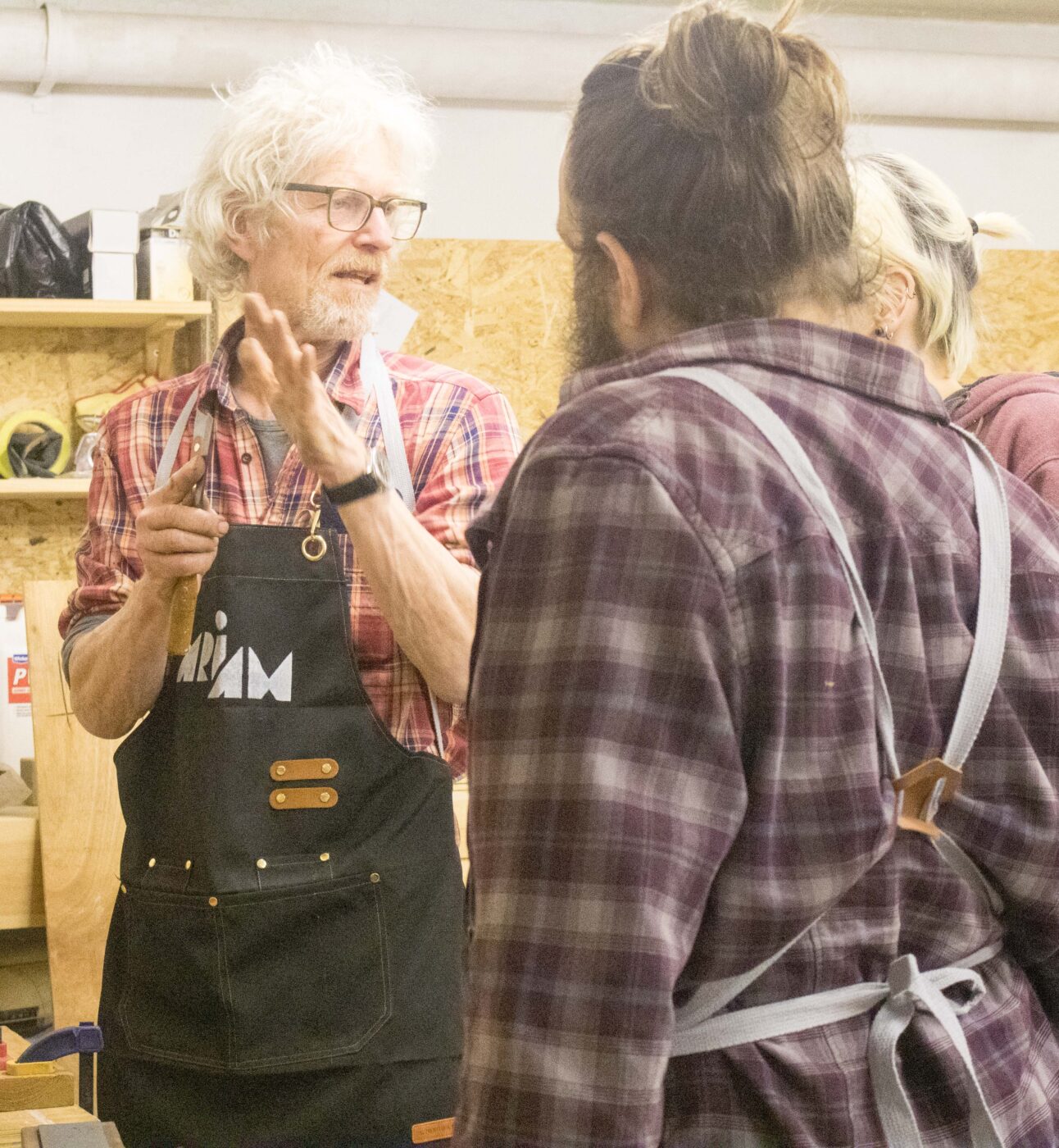
- Ariam Shed CIC – creating a community workshop where residents can learn practical skills, build confidence and connect with others.
- Arif-Generation – supporting refugee and migrant communities through culturally appropriate sexual health and mental wellbeing programmes.
- Dalmar Heritage and Family Development – delivering wellbeing, physical activity and peer-support programmes for families and older residents.
- Raza Sana CIC – providing community-based wellbeing activities focused on healthy lifestyles, physical activity and social connection.
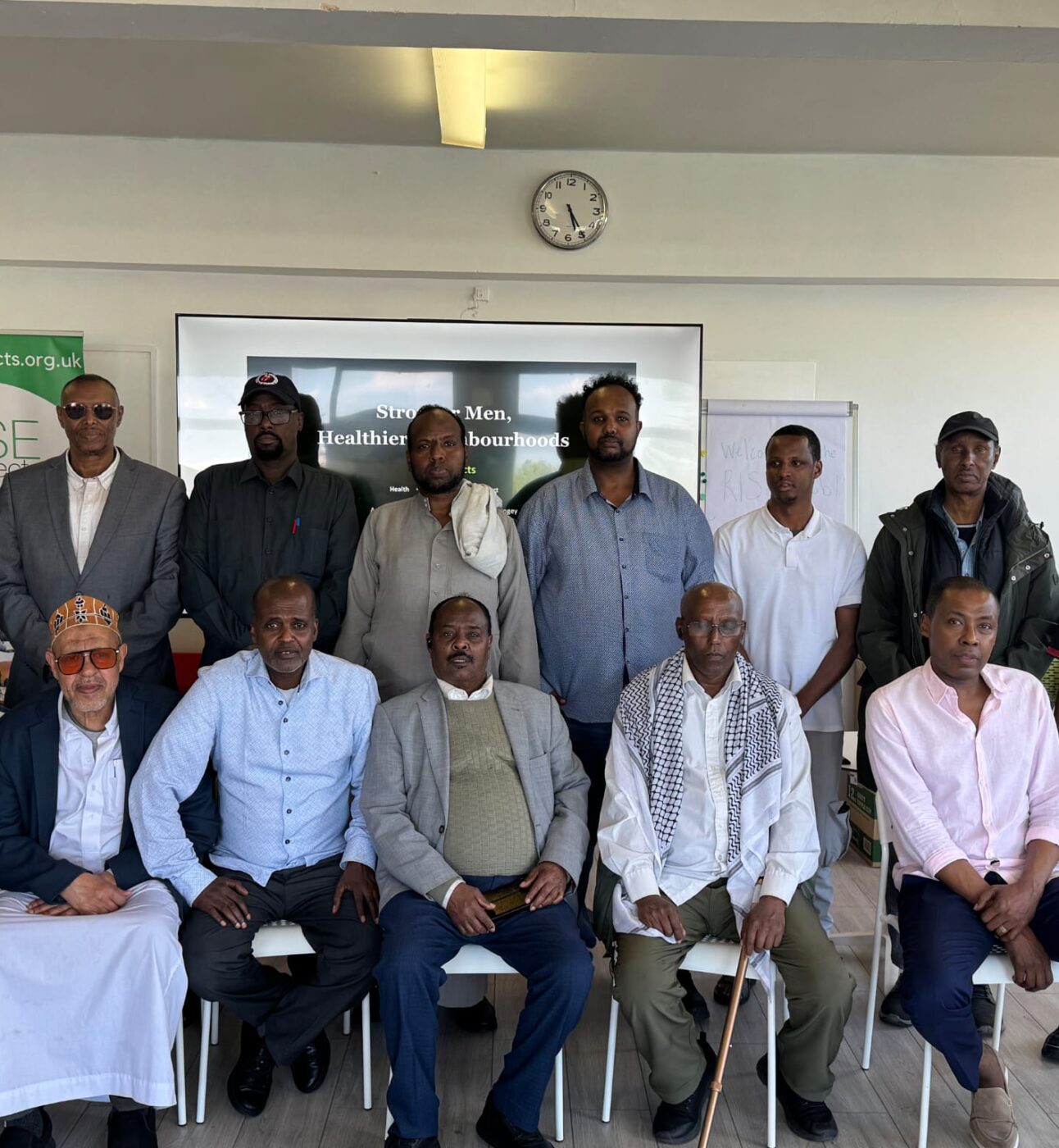
- Real Impact Social Empowerment Projects (RISE Projects) – supporting Black men through peer-led wellbeing, health awareness and community engagement activities.
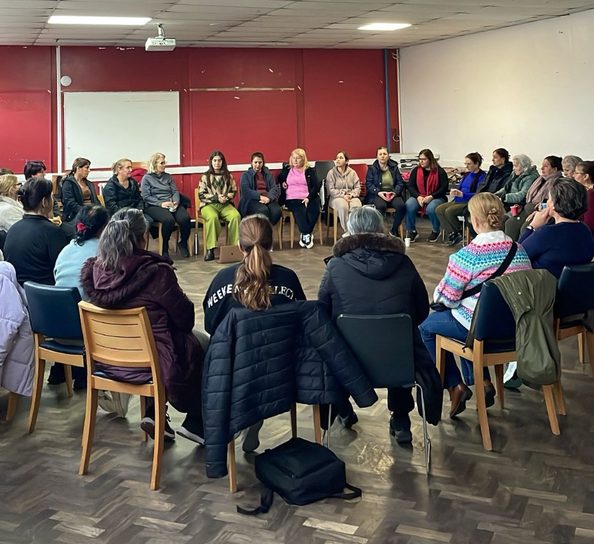
- Roj Women’s Association – providing mental health support, counselling and wellbeing programmes for women, including domestic abuse survivors.
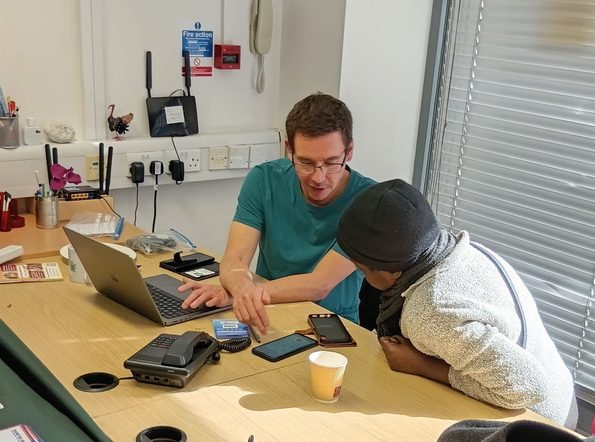
- Tech Together CIC – tackling digital exclusion and helping residents access services, information and support.
Just two months into delivery, the fund is already demonstrating how community-led investment can contribute to healthier neighbourhoods.
Empowering healthier behaviours
Across the programme, funded organisations are helping residents take practical steps to improve their health and wellbeing.
Raza Sana’s Open Doors Wellbeing Programme has already delivered seven sessions, engaging 44 residents and generating 115 attendances. Activities promoting physical activity, mobility and healthy living have seen strong participation, while natural health workshops have helped residents learn new approaches to maintaining wellbeing.
Dalmar Heritage is delivering weekly therapeutic support, exercise sessions and a 12-week weight management programme, helping families and older residents improve both physical and mental wellbeing.
Arif-Generation’s workshops and outreach activities are increasing awareness of sexual health and mental wellbeing within refugee and migrant communities, while up to 50 supported referrals to health services are expected through the programme.
Meanwhile, Roj Women’s Association has completed its first 10-week group therapy programme for domestic abuse survivors, alongside specialist workshops attended by 87 women covering menopause awareness, physical wellbeing and collective trauma.
Together, these activities are helping residents build knowledge, confidence and healthier habits in ways that are relevant to their communities and lived experiences.
Strengthening neighbourhood connections
Healthy communities depend on strong relationships, between residents, community organisations and health and care services. Several funded organisations are creating opportunities for people to connect, share experiences and access support in trusted community settings.
Tech Together has delivered eight sessions with Community Cook Up, reaching around 70 residents and generating more than 180 attendances. Alongside social activities, participants have received support accessing health services, council services, benefits advice and digital tools.
Raza Sana’s community meals have created welcoming spaces where residents can come together, reduce isolation and discuss issues affecting their wellbeing.
Ariam Shed’s community workshop is fostering social connections through shared learning and practical projects. Following three pilot sessions, 17 residents have already registered, and the project’s official launch has generated significant interest from local groups and individuals.
Funded organisations are also strengthening connections with statutory services. Dalmar Heritage, for example, has developed partnerships with the GP Federation, One You Haringey and Haringey Walks, creating stronger pathways between community support and health services.
These relationships are a key part of the Neighbourhoods model, ensuring residents can access support earlier and closer to home.
Reaching communities that are often overlooked
A central aim of the Challenge Fund is to support organisations that have trusted relationships with communities who may face barriers to accessing mainstream services.
The organisations funded through Healthy Neighbourhoods are reaching groups including refugees and migrants, Black men, women affected by domestic abuse, older residents, people experiencing digital exclusion, families with children who have SEND, and residents living in areas of higher deprivation.
Because these organisations are rooted within their communities, they are often able to engage people who may not otherwise seek support.
Examples include Arif-Generation’s culturally tailored outreach with refugee communities, RISE Projects’ work with Black men experiencing health inequalities and social isolation, and Tech Together’s practical support helping residents overcome digital barriers to accessing essential services.
This ability to reach seldom-heard communities is one of the key strengths of a community-led funding approach.
Learning from a different way of funding
The early success of the Healthy Neighbourhoods Challenge Fund demonstrates the value of trusting communities to identify priorities and lead solutions.
Beyond the activities delivered, the fund is helping to strengthen local organisations, build partnerships and create the conditions for longer-term community resilience. It also provides an example of how grassroots funding models can support the development of healthier neighbourhoods by investing in trusted organisations that understand local needs.
As the programme continues, Haringey Community Collaborative is keen to share its experience and learning with others interested in community-led funding approaches. They believe that empowering local organisations and residents to shape investment decisions can help create more effective, inclusive and sustainable solutions to health inequalities.
If you would like to learn more about the Challenge Fund model or explore how similar approaches could be applied elsewhere, you can contact Haringey Community Collaborative here.